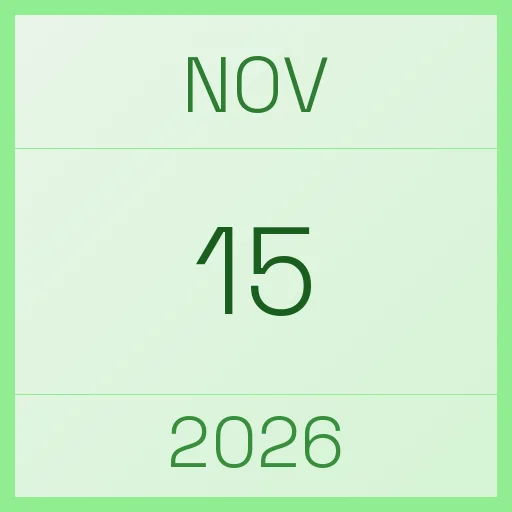
What should I expect from the course profile?
Don't let the "mostly flat" description fool you into thinking it's a straight shot to a PB. While the elevation gain is minimal, the route features several sharp curves that can break your stride if you aren't paying attention. It’s a beautiful east-west stretch between the mountains and the sea, but you'll need to work the turns to maintain your momentum. It is a JAAF and World Athletics certified course, making it legitimate for official timing and rankings.
What’s the weather situation like in mid-November?
Kobe in November is generally pleasant, but don't get complacent. You can expect crisp morning temperatures, likely in the 8°C to 12°C (46°F–54°F) range at the 9:00 AM start. As you head toward the turnaround near Akashi, the coastal breeze can feel biting if you're running slow, so layer up with something you can easily discard. Once the sun hits the coast, it warms up quickly, so prepare for a temperature shift mid-race.
How do I handle the logistics of getting there and staying?
Getting to Kobe is remarkably easy if you fly into Kansai International (KIX); you can be on a train and heading toward the city in under an hour. For the race, I recommend clustering your accommodation near Kobe City Hall or the Harborland area to avoid a stressful morning commute. The expo is held at the Kobe International Exhibition Hall, and since there is no race-day registration, you must plan to visit the expo on Friday or Saturday.
Is the entry fee a fair deal?
At 24,200 yen, it sits squarely in the expected range for a high-level, WA-labeled race in Japan. You aren't just paying for a bib; you're paying for world-class medical support (18 stations is impressive) and a highly organized baggage system that moves from start to finish. If you want to support the local community, the 1,000 yen charity bib add-on is a worthwhile gesture for an event built on the "Thanks & Friendship" theme.
What do I need to know about race day support?
The organization is top-tier. You'll find 14 aid stations spaced out from the 5.1 km mark all the way to 40.1 km, which is plenty for most runners. The 7-hour cutoff is generous, making it accessible for those looking for a steady completion rather than just an elite sprint. Just be prepared for the waves—the start is staggered (9:00 AM and 9:15 AM), so if you're in the second wave, expect a bit of a crowd crush in the first few kilometers.
For more specific details, check the Kobe Marathon ↗ official site.